If you’ve recently installed a new patio in time for the summer, you might have to soon put up with weeds attempting to surface through the small gaps often created between stone tiling. In fact, weeds are actually a year-round issue that can gradually get worse if you don’t deal with them.

If you don’t fancy the idea of taking up your natural stone tiling again to cope with the problem, here are a few tips for using standard weed killers to get the maximum effect!

Timing

The best time to apply any weed killing solution that you purchase is in the spring, which is when the vast majority of weeds are already at the largest and there are little to no seeds on the surface. If you’re in the middle of summer already, you can still apply weed killing solutions to get rid of weeds, but it may not prevent them from coming back.

Weather

Rain is great for helping plants grow and weeds rely on them as much as any other species. However, rain is also capable of washing away any weed killing solution you’ve applied within a few hours, so choose a dry, warm day to use weed killers.

Leave Them Alone!

Weed killers attack the top half of growth, so digging around might actually stop the process from working effectively. Whilst you might feel like tearing weeds out of the ground every time they appear, it’s much better to let weed killers do their thing.

Follow these guidelines and you’re certain to have weed-free natural stone patio ready for the summer in no time!
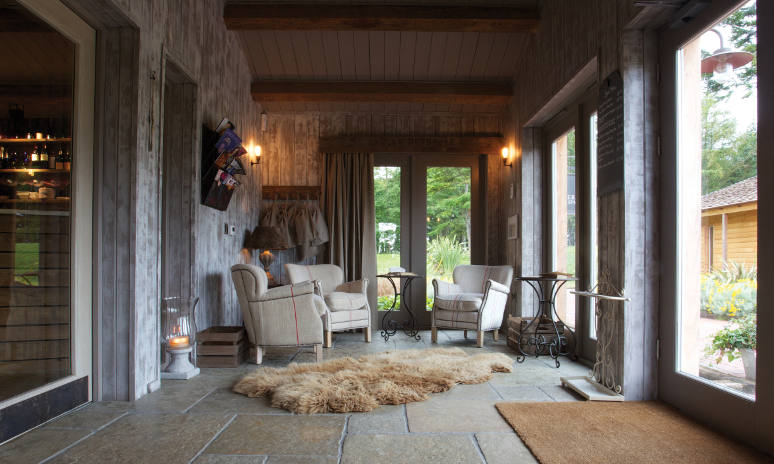
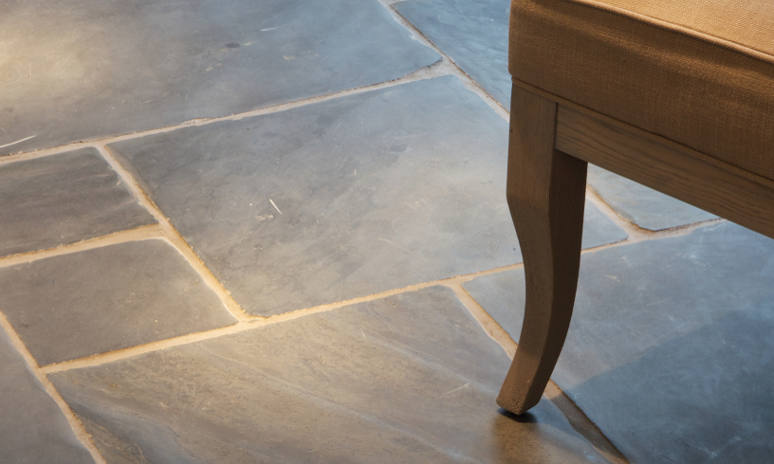
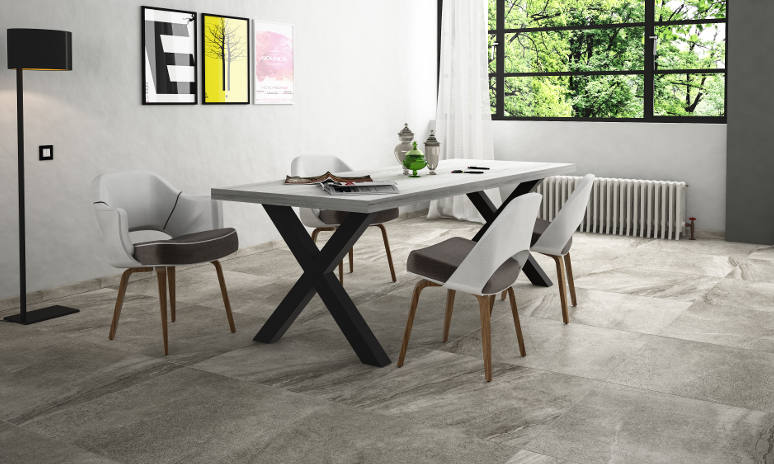
Archerfield Limestone Tile Floor In Cosy Seating Area

We thought it would be a good idea to remind you of some of the benefits of having natural stone tiles as part of your interior design plan, especially as the summer holidays often go hand in hand with various household construction projects. If you’ve considered making the most of our vast natural stone range here at the Stone Tile Emporium for parts of your property, here are some of the reasons why it’s such a popular alternative to other forms of flooring.

Appearance

Artisans - Kit Stone Clifton

Stone Tiles offer a wide variety of different styles and finishes and promote a unique elegance and luxury which can’t be replicated by any other type of tiling or flooring. Stone tiling is different every time, so you also know that no one else in the world has the style you’ve gone for! It is a classy, high quality alternative to carpets and wooden flooring, whilst it also has a historic demeanour with various fossils shaped over millions of years often still visible in the stone.

Maintenance

Tile fitting and installation services hero image

Stone Tiles need to be sealed before and after their installation. Once you do this, you don’t have to treat them again for up to two years.  They are extremely easy to look after and the sealing procedure isn’t as difficult as it sounds either.

Atmospheric

Porcelain tiles gallery image 1 - MUD_Bestone porcelain

Stone Tiles are great all year round as they can help cope with both the hotter and colder seasons. However, Stone Tiles create a sense of warmth wherever they are used, so during the winter with the addition of a warm, cosy fire, you’ll certainly feel a lot more comfortable surrounded by some beautiful stone tiles.

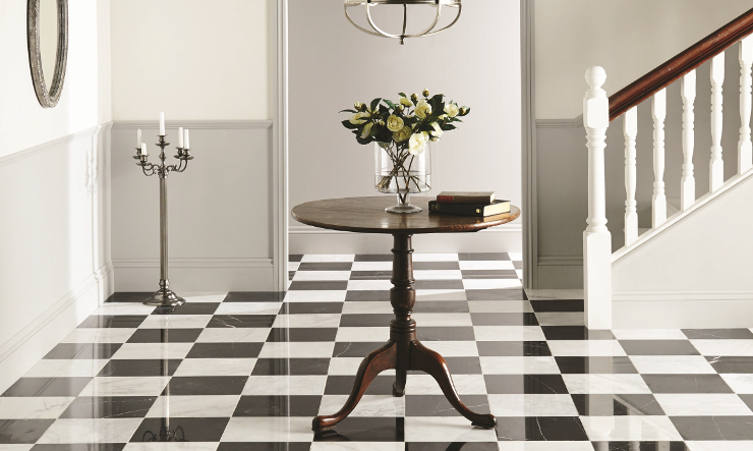
Marble Tiles Gallery Image - Original Style Earthworks Viano White polished marble and Nero Polished Marble

We’ve all experienced the ups and downs of carrying out DIY work and installing new stone flooring or wall tiling is probably one of the most common DIY jobs that you’ll come across. There are always questions that need answering when tiling, so we’ve decided to put together a few FAQ’s for those of you who are seeking out some helpful tiling advice or information. Three questions will be answered each week, so keep an eye on our blog over the coming weeks!

Q. Is it safe to drill through my bathroom tile installation?

A. Yes. However, it all comes down to what your tiles are made from. If they are thin and ceramic, a cheap drill bit is all you need to carry out the job. Porcelain tiles on the other hand require small diamond drill bits and can be much more difficult to start.

Q. Can tiles stick to plywood?

A. Plywood is quite a common bathroom material, though it must be thick enough to not be affected by regular changes in temperature. You will need a latex based bonding solution rather than standard PVA solutions to get tiles to stick to Plywood.

Q. Do I have to seal my natural stone tiling?

A. Yes. Natural stone isn’t porous so you’ll have to carry out a grouting procedure. Once the grout has been left to dry, it should become waterproof. Grouting doesn’t have a significant effect on the look of your natural stone tiles, so don’t worry too much about this.

Our tiling FAQ continues into week 2, where we focus on some of the more basic aspects of tiling for those who are carrying out their first ever stone tile project. Sometimes the most obvious questions bring about the most useful results!

Q. How do I work out exactly how many tiles I need?

A. To work out the exact number of tiles you need for your designated tiling space, multiply the height by the width of your wall space to get a measurement in square metres. Then find out the measurement of your chosen individual tiles and divide the surface area of your tiling space by that of your chosen tile.

Q. How can I get a neat and organised row of tiles?

A. It’s important to have tiles of equal size to have a perfectly symmetrical set of wall tiles. Place cut tiles of equal size at both ends of your row, using a spirit level to make sure you have them in line. After marking out the positions on the wall, use a batten to trial your row of tiles, putting spaces in between each one. Mark out the tile positions and gaps along the batten and use this as a gauge.

Q. How can I make sure the spaces between the tiles are even?

A. You can make the space between each tile even by putting plastic tile spacers between each one. Try to make sure that each spacer is pushed as far in as possible so they can also be grouted over. Try not to leave any marks on the tiling in the process.

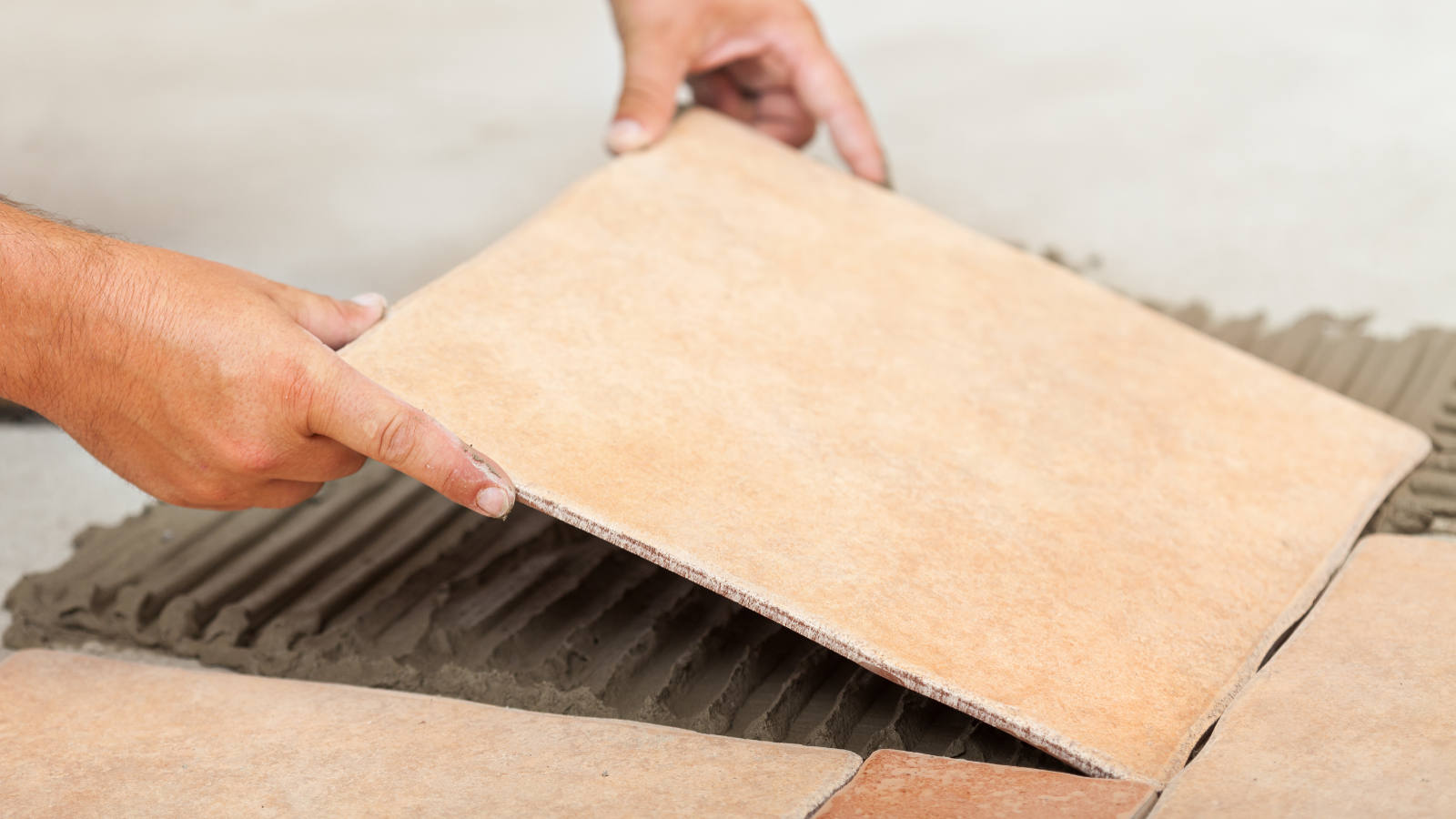
Accidentally damaging a stone tile can be frustrating to say the least, especially if it interferes with the natural stone tiling effect you’ve worked so hard to achieve. A lot of the time, we ignore damaged tiles and accept the fact that there’s little you can do to repair them. Well in fact, there is something you can do. Here’s how to replace a damaged tile…

–          Loosen the grout around the edges of the damaged tile using a grout remover. Once you’ve done this you can start to rake out the rest of the grout.

–          Drilling holes into the central areas of the tile helps to weaken the surface, so use a small ceramic drill bit and drill four holes in a square shape into the tile. You can increase the size of the ceramic drill bit if necessary.

–          Equip yourself with a hammer and chisel and gradually chip away at the central space between the holes you’ve made. This gets rid of the central part of the tile, although you should be careful not to scratch the wall beneath it.

–          From here, use the chisel to get underneath the rest of the tile, moving towards the edges until you’ve removed it entirely.  This is where you need to be careful not to damage the surrounding tiles. Try and get rid of much of the adhesive as possible as well.

–          Check that your replacement tile fits neatly into the new gap and that the adhesive isn’t pushing the tile further out in comparison to the others. Put new adhesive on the replacement tile and position it in the space.

–          Use a flat piece of wood with that is larger in length to the tile to push it into place. Fit new tiles spaces so you can fill in the edges with grout. It’s important to wait for the adhesive to dry before doing this.

We’re lucky enough to work in an industry here at the Stone Tile Emporium that provides us with all kinds of questions regarding the origin of natural stone and its characteristics.

It’s fascinating to learn more about the origin of natural stone, especially when you consider that the majority of stone flooring is the result of millions of years of compression beneath the earth’s surface.

For example, the colour in natural stone tiles derives from all kinds of organic matter and minerals. So how exactly does natural stone get its distinct colour and pattern variations?

The colour of natural stone is dependent on the minerals and organic matter present. For instance, red marble is given its colour from a high presence of iron, whilst green marble gets its colour from serpentine.

You can easily identify various minerals in natural stone by carrying out some research on the specific colours you get from all the different minerals present in stone. This can help you locate the perfect colour for your interior design plan.

So what should you know about minerals in order to maintain a tiles natural look? There are some stone tiles that gradually fade over time when exposed to sunlight, such as marble tiling.

Marble is sensitive to ultraviolet light and will subsequently lose its deep, shiny dark colour over time. You can bring the colour back by polishing or honing the stone every now and then.

Stone cladding doesn’t just exist to provide the exterior parts of a property with a fresh, attractive design feature. In fact, there are a number of reasons why stone cladding could be the answer to your natural stone tiles dilemma.


Here’s why so many others around the country are installing stone cladding with the help of the Stone Tile Emporium:

  • Stone cladding provides a natural answer to weatherproofing and ventilation as the extra layers cope with ever-changing temperatures and the threat of damp, especially during the winter.
  • Cladding is a low cost alternative to other methods of changing the appearance of your property. If you’re going through a decorative change, stone cladding is a cost-effective, hygienic and attractive way of instantly updating your properties appearance.
  • Cladding is also used in interior design with kitchens, bathrooms and other domestic walls benefiting from the natural feel associated with stone cladding. It’s a worthy alternative to tiling and gives you a little bit more of a natural, eco-friendly atmosphere.
  • Many people who carry out barn or garage conversion struggle to negate the “bolted on” effect, especially when they are changing the style of an outbuilding completely. Stone cladding lets you maintain that continuity with existing walls.
  • Stone cladding disguises any solid wall insulation you might be using. Solid wall insulation could save you a huge amount of money on your fuel bills and you can maintain the appearance of the outside of your property by disguising it with stone cladding.

If you’ve enjoyed a beautiful natural stone finish throughout your home for some time, whether it be marble stone flooring, slate cladding or limestone wall tiling, there comes a time for many where painting over walls helps to promote a newly introduced interior design scheme.

If you’ve got a similar predicament to deal with, you might be interested to learn about how you could paint over your currently installed stone tiles. There are plenty of natural stone tiles that can be painted over when given the correct treatment, so here’s a quick guide to painting your stone tiles.

Step 1 

The first thing to do is to sand over your tiling as this creates a rough surface that can be easily painted on.

Step 2

Once you’ve achieved a rough finish, you need to clean the wall with a thick scrub brush before making sure the wall is dry.

Step 3

Apply two separate coats of primer before sanding over the tiling so that you get rid of any imperfections. Apply the second coat only after the first has dried completely.

Step 4

Paint over the tiles with two separate layers using a foam roller. Continue to search for imperfections and sand over them if necessary.

Step 5

Your tiling should now be ready for paintwork, so pick your chosen colour preference and start decorating!

Glass and stone come together to create a unique blend of texture, colour and style that contributes to the contemporary interior design ideas we often see in kitchens and bathrooms today. This particular combination is capable of enhancing both the vigour and relaxation of any average space. With the decorative addition of stone and glass mosaics in your home, you are sure to achieve the major artistic statement you’re looking to portray. Here are a couple of ways to bring glass and stone together in your home.

Example 1 – Liven Up Your Bathroom

If you use some dazzling glass mosaics on the walls in your bathroom and compliment them with stylish stone flooring, you can create a stunning contemporary interior that offers a range of qualities, from the sparkling nature of the glass to the natural effects of the tiling. You can also immerse yourself in an abundance of natural light thanks to the reflective qualities of the glass.

Example 2 – Mix Up the Shapes and Sizes of Your Tiles

Glass tiles come in all different shapes and colours, which is why you can use them to add aesthetic appeal to any tiled or painted wall. An earth-toned glass mosaic finish with the addition of clear, beige or creamy tiling creates a hugely appealing contrast of colours and finishes. Mosaic tiling on the floors compliment this outstanding wall design and you can create a distinctive look by going for a number of different colours.

Christmas is on its way so you might be planning to treat yourself with brand new tiles for your bathroom or kitchen and have your home looking great in preparation for the big day.

If you find yourself in the market for some new tiles or feel you might struggle with the wide variety of textures, styles, themes and materials on offer, here’s a few handy tips to consider before investing in your festive stone tiles.

1. Consider the location of your tiles

Firstly, consider where the tiles are going to be placed and how their texture, colour and style will affect the look of the space. For example, lighter tiles would be ideal for a space that needs to look bigger due to its size and you might need a specific texture if your style preferences are particularly detailed.

Slate provides an excellent natural texture that works wonders for your bathroom, whilst the dark, sleek design of marble tiling can really work in a more contemporary kitchen space.

2. Consider the durability needed

It’s also important to consider the durability of your tiles. Are they capable of lasting a considerably long time without getting damaged? Can they withstand cleaning products for the foreseeable future?

Ultimately, the life of a tile can be daunting depending on where it’s situated but it’s worth considering this important factor when purchasing nonetheless.

3. Think about the long-term

Finally, try and have a long term bathroom plan in mind when buying your tiles. How are your style preferences going to change in the next few years? What sort of bathroom appliances will you be investing in? It’s a good idea to look at some kitchen and bathroom design ideas beforehand so that you can see where your new tiles are likely to lead you.

Don’t forgot to visit the Stone Tile Emporium for an introduction into the wide range of tiling ideas we have to offer!

Best Price Today

Contact Us

Please get in touch using the form below

"*" indicates required fields